

LLM visibility for ecommerce: help AI understand your products
LLM visibility for ecommerce means checking whether AI assistants accurately identify your brand and relevant products when shoppers ask for recommendations. Improving it starts with reliable product facts, useful buying guidance, accessible pages, and credible evidence about who the products suit.
LLM Listed helps ecommerce teams investigate brand and product discovery across AI answers. We distinguish a brand mention from an exact product recommendation and keep pricing accuracy separate from visibility.
See if AI is recommending you.
Instant preview. Full strategist debrief on request.




How do AI shopping answers identify products?
A shopper may ask for an item that fits a combination of budget, size, materials, compatibility, availability, and delivery needs. A product page that describes those facts clearly is more useful than one that relies on a generic lifestyle description.
AI systems can use different combinations of retrieved content, search results, merchant information, reviews, and other sources. There is no single public ranking formula that explains every answer. Inspect the specific products and links returned before assuming why one brand appeared.
Your job is to maintain accurate information and make the choice understandable. Explain what makes the product suitable for a particular use, where it has limitations, and which variant the facts describe. Credible product information helps the shopper even when the assistant does not select your page.
How can you get products recommended in AI-generated answers?
- Choose a product group and buyer need. Start with a scope that can be measured, rather than every SKU in the catalog.
- Check the product facts. Verify model names, variants, dimensions, materials, compatibility, price, currency, and availability.
- Improve the buying explanation. Answer the comparisons and practical questions that determine whether the product fits.
- Align the maintained sources. Keep product pages, feeds, retailer listings, and other controlled information consistent.
- Review independent evidence. Identify relevant reviews and coverage, without fabricating endorsements or presenting paid material as independent.
- Track the results. Repeat a defined prompt set and record the exact product, variant, source link, and accuracy issues.
These steps support discoverability and informed decisions. They do not guarantee placement, a product card, or an endorsement from an AI platform.
How should you format product pages for AI assistants?
Use a clear product name and identify the actual variant being sold. Put essential specifications in readable text, with units and compatibility stated explicitly. Avoid hiding the only useful information in an image or an interface that never exposes the details to accessible page content.
Display the price with currency and explain material qualifications, such as a starting price, subscription condition, or variant difference. Keep stock status, shipping information, and return terms current. A shopper should not have to guess which country an offer applies to.
Use relevant product structured data where appropriate and make sure it matches the visible page. Structured data should describe the offer that exists, not a more attractive version of it. It cannot force an AI system to quote a price or recommend the product.
Link related guides and comparisons when they help the customer choose. A detailed compatibility guide can be more useful than several thin pages repeating the same marketing paragraph. Our AI commerce and product discovery service covers this work in more depth.
Why does AI show the wrong price?
Price errors can have several causes: old information, a different variant, another retailer, a different currency, or an incomplete reading of the offer. The fact that an answer is wrong does not by itself reveal which source caused the mistake.
Record the answer and any cited link. Compare the source with the live product page, current feed, and relevant retailer listings. Correct the maintained information you can verify, then monitor whether later answers change.
Avoid publishing a new page for every isolated error. First fix the underlying source of truth and the processes that keep it current. Our guide to when AI gets your prices wrong explains the diagnostic approach.
How do you track mentions at product and SKU level?
Define the identity of the item before tracking it. A brand name, product family, model, and exact SKU are different levels. An assistant may recommend a product family without naming the variant you actually sell.
Create a record for each sampled answer with the prompt, platform, date, market, product identity, linked destination, and any incorrect detail. Use consistent aliases for model names so ordinary wording differences do not produce false misses.
Keep the denominator clear. For example, an exact-SKU recommendation rate should count only prompts where that SKU is relevant and compare the same eligible set over time. Do not add several variants together and label the total brand share without explaining the method.
The free scan provides a brand-level starting point. A defined product-level review and ongoing AI intelligence and measurement can examine a catalog in more detail.
What do the US and UK Ecommerce Index pages show?
The published US Ecommerce Index and UK Ecommerce Index are labeled 2025. They provide category-based reference lists, not a current universal ranking for every AI assistant or product query.
The US list includes broad marketplaces and retailers alongside category specialists. The UK list covers a different mix of retailers and categories. That distinction is a useful reminder to define the market and product need before comparing visibility.
Brand-level inclusion does not show that a particular SKU, price, or availability statement is accurate. Use the indexes as context for further testing, then inspect the actual prompts and products relevant to your business. Do not treat a dated list as a live measure of your current performance.
Product documentation and credible buying guidance
Good product information explains both fit and limits. Answer questions about installation, maintenance, sizing, materials, or integration where relevant, and distinguish verified facts from subjective preferences.
For complex products, the documentation may answer a buyer's question more directly than the sales page. Keep it accessible, connect it to the correct model, and update it when the product changes. See our guide to product documentation and AI recommendations.
Paid distribution is a separate activity. Our ChatGPT Ads guide explains managed campaigns, while organic product visibility concerns whether accurate information is selected in unpaid answers. Do not report an ad appearance as an organic product recommendation.
What should you look for in ecommerce case studies?
Look for a defined product or category scope, a clear period, the prompt set, and the metric being reported. Brand recommendation share and product-level accuracy answer different questions. Neither automatically proves incremental revenue.
LLM Listed's client work includes ecommerce and retail brands such as Augustinus Bader and Creations Boutique. Review each case on its own terms and ask how its method relates to your catalog and market. Keep any existing approved Protein Works proof component attributed to its original case and date.
A purpose-built AEO program for ecommerce.
Product schema & feed optimization
Use relevant product structured data where appropriate and make sure it matches the visible page.
Review & UGC corroboration
Identify relevant reviews and coverage, without fabricating endorsements or presenting paid material as independent.
Competitive comparison content
Answer the comparisons and practical questions that determine whether the product fits.
Examples we engineer for in ecommerce.
Best protein powder for women
Top sustainable skincare brands 2026
Cheapest meal kit delivery service UK
Best running shoes for marathon training
Recommended luxury skincare for sensitive skin
Selected client work.
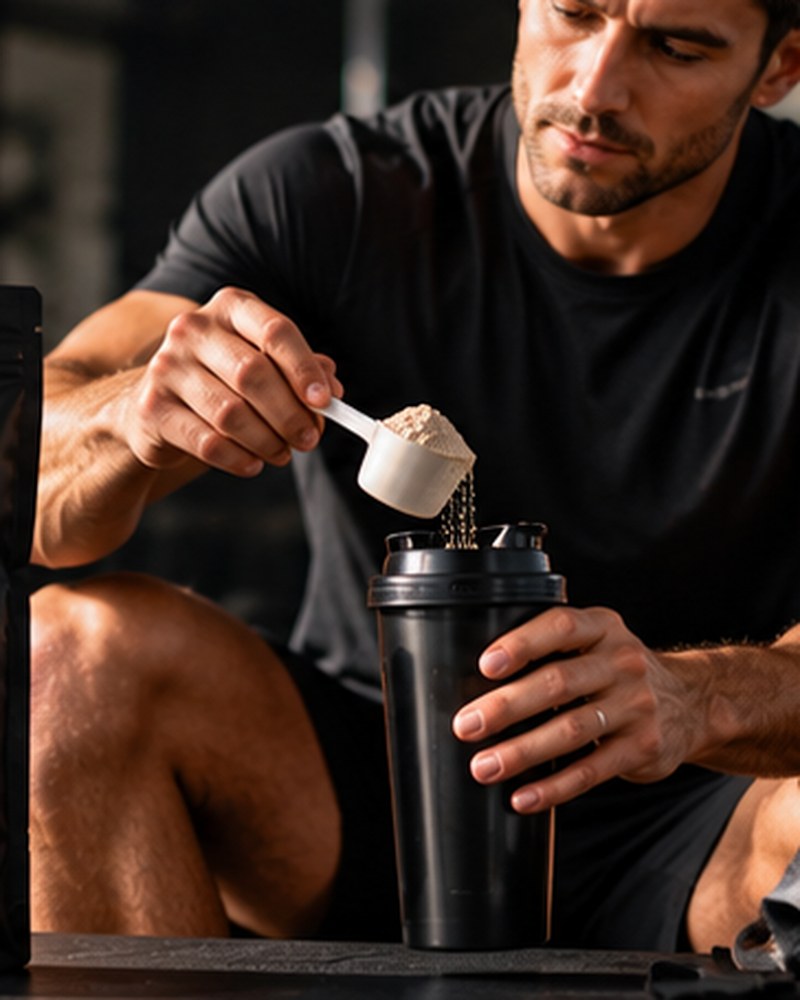
Growing AI visibility 45% across a competitive nutrition portfolio

From invisible to default-cited across DMARC queries

Premium product visibility across recommendation prompts

Independent boutique cited across AI shopping prompts
Find out if AI is recommending you.
Instant snapshot of how your brand shows up across ChatGPT, Claude, Gemini and Perplexity for the prompts your customers actually ask.
- 30-second turnaround. No setup. No call required.
- Benchmarked across the Big Four AI platforms
- See which competitors are recommended instead of you
See if AI is recommending you.
Instant preview. Full strategist debrief on request.
Frequently asked.
How can I get my products recommended in AI-generated answers?
+
Start with accurate product information and a clear explanation of the needs each item fits. Align pages, feeds, and maintained retailer listings, support claims with credible evidence, and test a defined set of shopping questions. These steps improve the information available to assistants, but they do not guarantee a recommendation or placement.
How do I track AI mentions at the SKU level?
+
Define the exact product and variant, then record whether sampled answers name it accurately and link to the right destination. Keep the prompt, platform, market, and date with each observation. Separate brand mentions and product-family recommendations from exact-SKU results so the report reflects what was actually returned.
Why does AI show the wrong price for my products?
+
It may be using stale information, another seller, a different variant, or a different currency. Inspect the cited source where available and compare it with your current pages, feeds, and retailer listings. Fix verified inconsistencies at the source, then monitor later answers. A website update does not guarantee an immediate correction everywhere.
Who can help format product pages for AI chat assistants?
+
An agency with ecommerce content, technical, and measurement expertise can help review the pages and supporting information. LLM Listed's AI commerce service covers product discovery work. Ask any provider to explain the exact changes, how facts will stay current, and how it will measure product-level results without promising guaranteed inclusion.
Does ChatGPT use Shopify product data?
+
Shopify is a commerce platform, not a guarantee of visibility in every AI shopping answer. Public product information and any supported merchant integrations may be relevant, depending on the experience and current requirements. Keep pages and feeds accurate, check official integration guidance, and test actual product queries instead of assuming that a store connection guarantees recommendations.
Is ecommerce AI visibility the same as running shopping ads?
+
No. Ads are paid distribution with campaign reporting. Organic AI visibility concerns how assistants select and describe products in unpaid answers. You can work on both, but the inputs, responsibilities, and measurements differ. Keep product accuracy work active even when paid campaigns are running, and do not combine their results into an unexplained score.
How do you handle large product catalogs?
+
We focus on hero categories first - the 80/20 of revenue - then scale down the long tail using template-driven schema and content systems.
Do you work with Shopify, Amazon and headless stacks?
+
Yes. We've shipped product schema, feed optimization and category content across Shopify, Magento, BigCommerce, headless setups and Amazon listings.
Can you support international and multi-region brands?
+
Yes. We map prompts by market and engineer market-specific authority signals so visibility holds up across US, UK and EU assistants.
Working with a UK team? See our AI SEO agency in London.
Check your starting point
Run a free AI visibility scan for a brand-level view. For product-level work, book a call or explore our AEO agency approach.